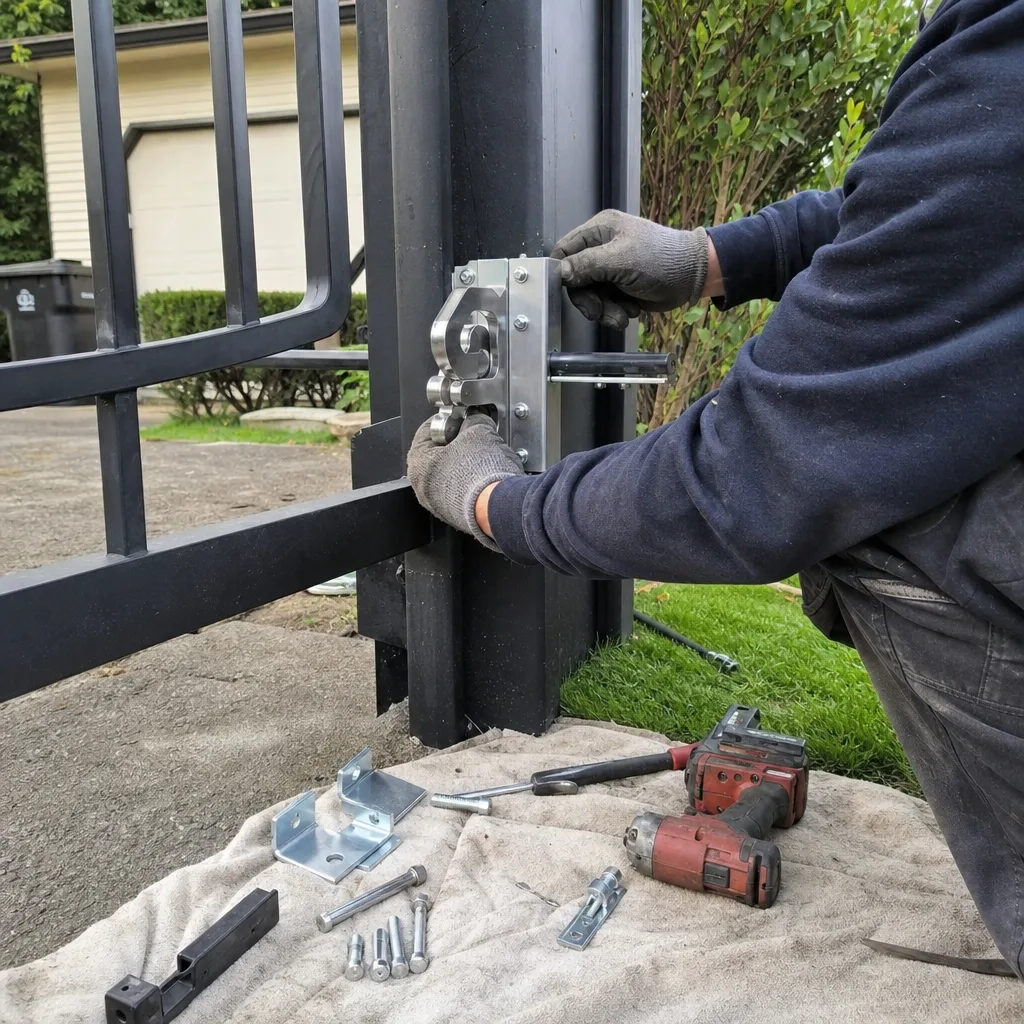
Last updated November 25, 2026
 Wrought iron
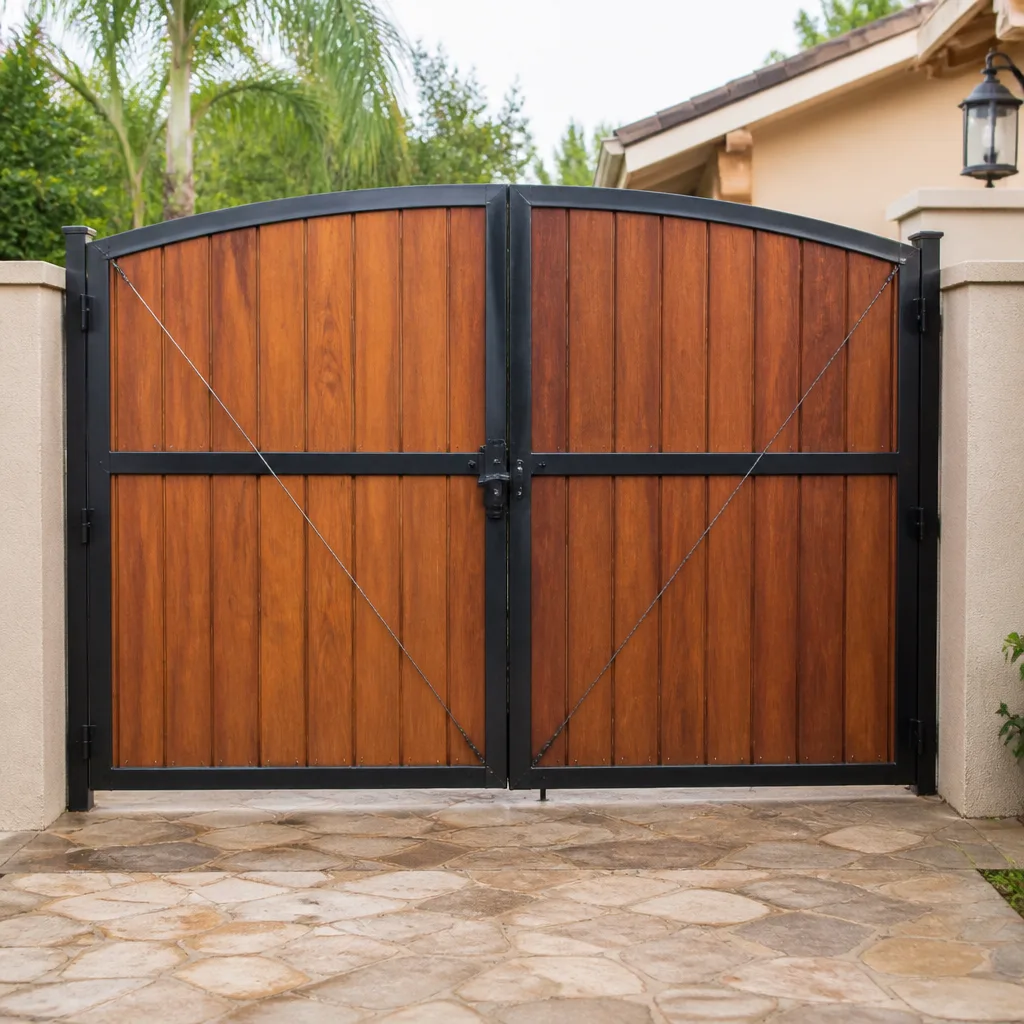 Wood & steel frame
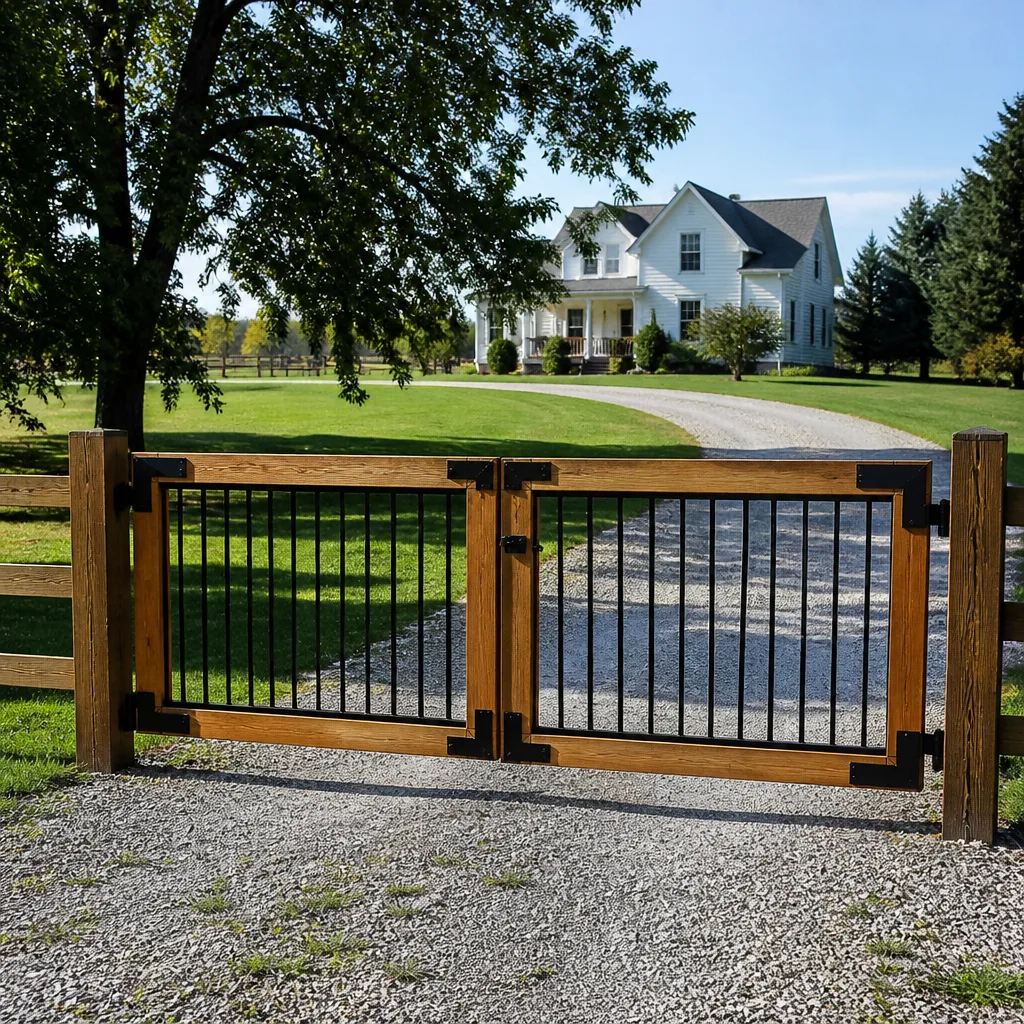 Farm & ranch
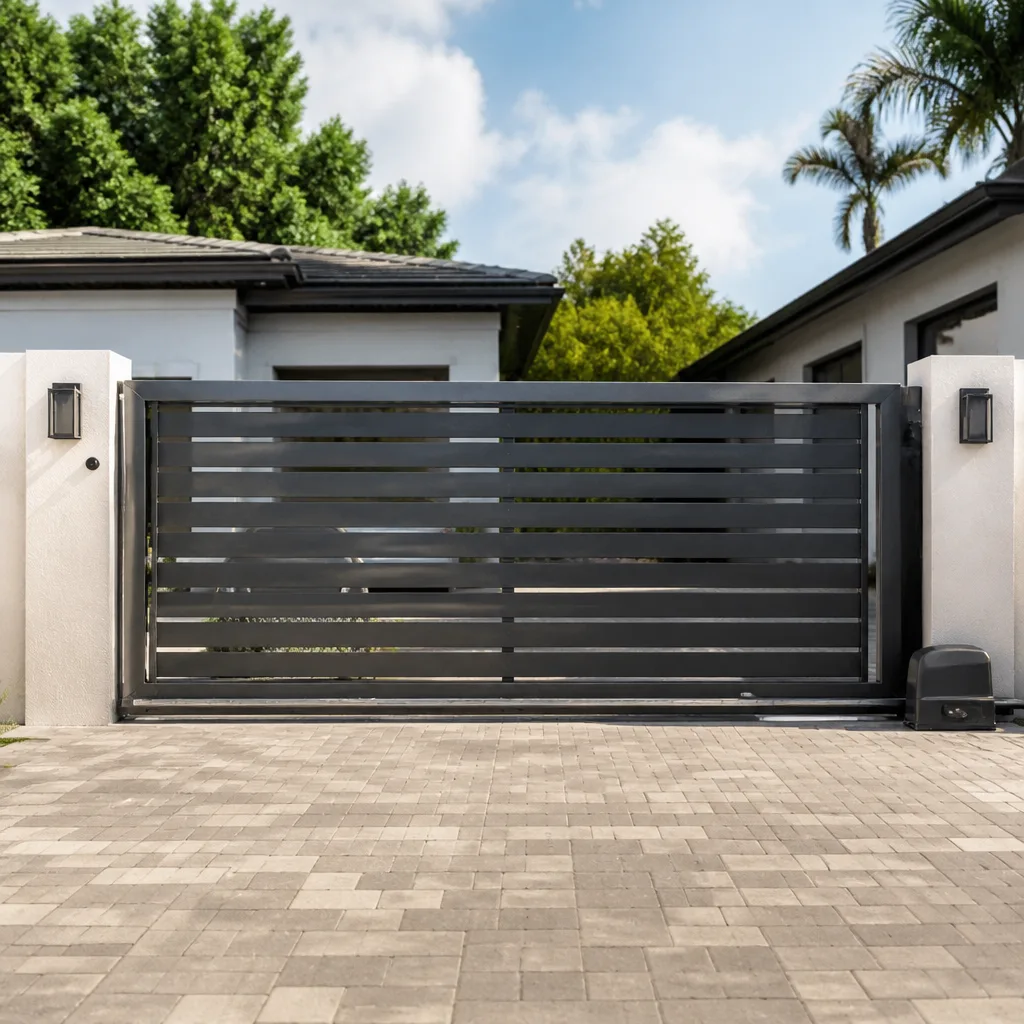 Sliding driveway gates
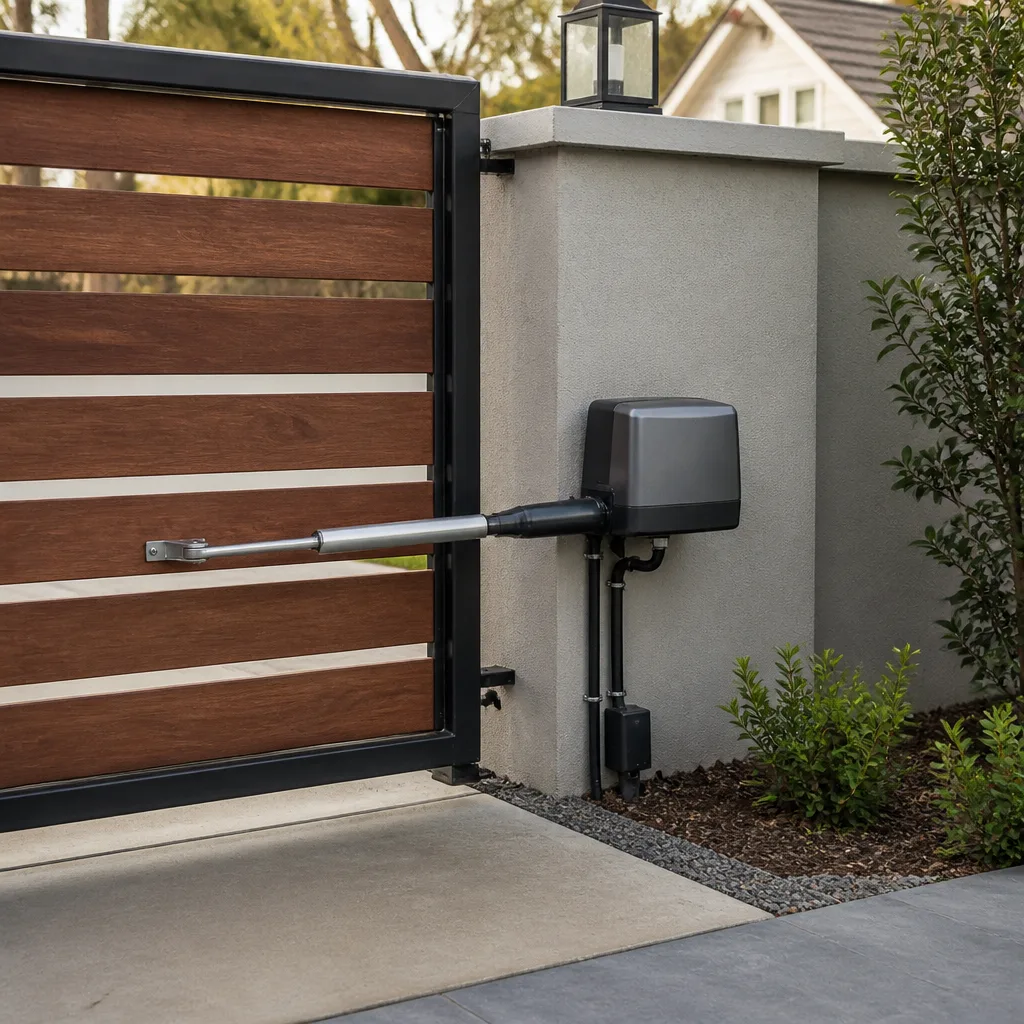 LiftMaster operators
Free on-site gate assessment - hinges, posts, and your LiftMaster or Nice gate operator checked before anything is quoted
The assessment is free and the quote is the invoice.
Get your free estimateGate Repair Permits, Codes & Inspections in Hillsdale, OR: What You Need to Know
Most homeowners assume any work on a gate means a trip to the permit office. In Oregon, the opposite is usually true. Swapping a failed motor on an existing post, replacing a hinge, or rebuilding a sagging swing arm is routine repair work that rarely triggers a building permit. The line moves the moment the job becomes electrical or structural. New conduit from your panel to the post, a brand-new gate opening cut into a fence line, or a post footing dug deeper than the old one almost always does. That gap between “repair” and “installation” catches people halfway through a project. This guide explains where the line sits in Hillsdale, which office governs what, how an inspection actually works, and what to know before you call anyone.
Quick Answer
In Hillsdale, Oregon, routine gate repair – motor swaps, hinge replacement, operator service – generally does not require a building permit. New electrical work to power an automated gate, and new structural work such as footing replacement or a new gate opening, generally does. Washington County handles most building and electrical permits for this area, and work that runs under a homeowner association’s private rules needs HOA approval on top of any municipal permit. When in doubt, confirm with Washington County before work begins, since unpermitted electrical work can complicate a homeowner’s insurance claim later.
Styles & brands we work with
- Wrought iron
- Wood & steel frame
- Farm & ranch
- Sliding driveway gates
- LiftMaster operators
Table of Contents
- Repair Versus Installation: Where Oregon Draws the Line
- Two Codes, Two Offices: Structure Versus Electrical
- When Washington County Requires a Permit (and When It Doesn’t)
- HOA Overlay Rules in Hillsdale Neighborhoods
- How Unpermitted Electric Gate Work Affects Insurance
- What a Gate Electrical Inspection Actually Covers
- Hillsdale’s Climate and What It Does to Gate Systems
- A Step-by-Step Permit Decision Checklist
Repair Versus Installation: Where Oregon Draws the Line
The single most useful distinction for a Hillsdale homeowner is between a repair and an installation. Oregon’s residential code treats them differently, and the difference is usually about what gets changed, not how big the job feels. A gate motor that dies and gets replaced with a compatible unit from Linear or Viking, wired into existing conduit, is repair. Running brand-new conduit, adding a circuit, or installing an operator where none existed is installation.
Here’s how the split typically breaks down on the ground:
- Repair (usually no permit): Replacing a motor on existing posts and existing wiring, swapping a keypad, replacing hinges or a latch, re-hanging a sagging gate, or servicing an existing operator.
- Installation (usually permit needed): Cutting a new gate opening, setting new posts with new footings, adding electrical service to a post that never had power, or wiring a new loop detector into the ground.
We see the confusion most often with homeowners who have an older manual swing gate they want to automate. The gate structure itself doesn’t change much – it’s already there. But the moment you need 120-volt power at the post, the electrical side becomes a permitted job in most situations, and that’s where the paperwork begins. The mechanical and electrical sides of a gate are governed separately in Oregon, and understanding that is the key to knowing what you actually need to file.
If the existing motor is failing and you want a straight replacement, that’s the simplest case and is generally a repair. You can read more about what that involves on our page covering gate motor & opener service.
Two Codes, Two Offices: Structure Versus Electrical
Oregon’s Residential Specialty Code covers the structural side of a gate – footings, posts, attachment to a fence line, and the built structure itself. The electrical provisions, which fall under the state’s electrical code, cover everything from the panel out to the post: the circuit, the conduit, the disconnect, and the low-voltage controls. These are administered separately and, depending on the job, inspected by different people.
Why it matters: a homeowner who calls about a new automated gate often assumes it’s one permit. It isn’t. If the post is new and the power is new, you may be looking at both a building permit for the structure and an electrical permit for the circuit. In practice, many installations touch both.
The other thing people miss is the sequence. Electrical inspection generally happens in stages, with a rough-in inspection before the conduit gets buried and a final inspection once everything is wired and running. If the conduit goes in the ground without an inspection, you’re already behind, and re-exposing buried conduit is expensive work nobody plans for.
Our technicians have up to 13 years of experience across systems including Linear, Viking, DoorKing, and more, so we know how to sequence the mechanical and electrical parts of a job. But we’re careful to say this clearly: we are gate specialists, not electricians, and the electrical permit itself is filed by a licensed electrician. Knowing who does what is half of avoiding a headache.
If you’re starting fresh rather than repairing, our gate installation page walks through what a new system involves from the ground up.
When Washington County Requires a Permit (and When It Doesn’t)
Hillsdale sits in Washington County, and that’s the office most homeowners will deal with for building and electrical permits. The county’s review is generally straightforward for a residential gate, but the rules are specific about which part of the work is permitted and which isn’t. Getting this right up front saves weeks.
Here’s how we separate the three cases:
- Neither permit: Repair on an existing gate, existing posts, existing wiring. Replacing a motor, hinge, latch, or keypad connected to existing infrastructure.
- Electrical permit only: A new powered operator on an existing post that doesn’t yet have power, or new wiring routed to an existing gate. The structural side doesn’t change, but the electrical side does.
- Building permit, and possibly electrical too: A new gate opening, new posts with new footings, or replacing a post deeper than the original. If power is being added at the same time, both permits come into play.
One practical note: because Hillsdale is a small community within the broader Washington County footprint, the county is where the permit question gets answered, not a separate city permitting department. Don’t assume there’s a local office to call. Start with Washington County’s building services department and describe the job plainly: what’s changing, what’s staying the same, and whether new power is involved.
For repair work that doesn’t cross into permitted territory, you can get help directly through gate repair without any permitting delay at all.
HOA Overlay Rules in Hillsdale Neighborhoods
Permits are only half the story. Many Hillsdale neighborhoods have homeowner associations whose rules run independently of municipal code. An HOA can require things the county doesn’t, and the county can require things the HOA doesn’t. When both apply, you usually need both.
What HOA overlays typically cover on a gate:
- Gate height, style, and color, to keep sight lines and uniformity consistent across the neighborhood.
- Material and finish matching existing fencing or nearby properties.
- Rules about whether an automated gate is allowed at all on certain lots, or on shared driveways.
- Approval process before work begins, sometimes with a review period.
We’ve seen Hillsdale homeowners get a county permit and then find out their HOA wants a design review that adds two weeks to the timeline. The fix is simple: call the HOA first, get the design approved, then file the permit. Do it in that order and the rest follows.
Some HOA rules also address whether an electric operator can be added to a shared gate, which touches questions of who maintains the system and who files the electrical permit. Those are worth sorting before a technician arrives on site, since they affect the scope.
How Unpermitted Electric Gate Work Affects Insurance
Here’s a scenario worth understanding before it becomes a claim. If an automated gate is installed without an electrical permit, and that gate later causes property damage or injury, a homeowner’s insurer can question coverage. That’s not a scare tactic; it’s a standard exclusion in many policies for unpermitted or non-compliant work. The insurer’s stance tends to come down to whether the work was done properly and to code.
What typically triggers a coverage problem:
- An electrical circuit run to a gate post without a permit or inspection, and a later incident traceable to that wiring.
- An operator installed with safety edges or loop detectors missing or non-functioning, where a person or vehicle is injured.
- Structural failure of a post or footing that wasn’t built to code, causing the gate to fall or swing into a vehicle.
If you’re buying a Hillsdale home with an automated gate, it’s worth asking whether the electrical work was permitted. If the seller can’t produce documentation, a pre-purchase inspection of the gate system is inexpensive compared to a dispute after a claim. For homeowners mid-project, the takeaway is simple: if a permitted part of the job is in front of you, get it permitted. It’s the cheapest insurance you’ll ever buy.
For gate problems that turn out to be mechanical rather than permitting-related, we can help directly at Gate Repair Hillsdale, and we’re clear about which parts of a job need paperwork.
What a Gate Electrical Inspection Actually Covers
Homeowners often picture an inspection as a vague once-over. It isn’t. A gate electrical inspection has a specific list, and knowing what the inspector is looking for helps you (and your electrician) avoid a failed inspection and a return visit.
An inspection for a permitted gate electrical installation typically covers:
- The circuit and panel connection: proper breaker sizing, grounding, and a clear disconnect point at the gate.
- Conduit and burial depth: that conduit is rated for the application and buried to the required depth for the circuit.
- Rough-in inspection: completed before the conduit is buried, so the inspector can see the wiring and connections.
- Safety devices: functioning safety edges, loop detectors, and any required controls, verified in operation.
- Final inspection: once the operator is installed and running, confirming everything operates safely and matches the permitted plans.
One detail worth flagging: if the gate’s operator requires a dedicated circuit, the inspector will verify that’s what’s actually there. A shared circuit is a common reason for a failed inspection, and it’s much easier to catch in the planning stage than after the conduit is in the ground.
We’re often asked whether we can be on site for the inspection. We can coordinate timing so the mechanical system is ready when the electrical final is scheduled, which keeps the process moving. It’s a small thing that saves a lot of back-and-forth.
Hillsdale’s Climate and What It Does to Gate Systems
Hillsdale’s climate is a working factor in gate maintenance. The wet season drives moisture into footings, hinges, and operator housings, and the dry summer can crack older concrete around posts. Gates that were installed years ago with shallow footings often shift as the soil expands and contracts through the year. That shifting is behind a lot of the sagging and misalignment we diagnose.
What this means for permitting:
- If a post has settled and needs re-setting, that’s a structural change and often triggers a building permit for the new footing.
- If the gate is sticking or swinging unevenly but the posts are sound, it’s usually a hinge or alignment repair, no permit.
- Wet-season moisture in operator housings is a service issue, not a code issue, but it’s a good reason to have the system checked before the rainy months.
For a property manager or a homeowner with a commercial gate, the stakes on footing stability are higher, and getting the structural side permitted properly on a repair is worth doing whenever the posts are being re-set. The question to ask is whether you’re adjusting hardware or moving dirt. The first rarely needs a permit, the second often does.
We work on the brand you already have, including Ghost Controls and DoorKing systems, and we can tell you quickly whether a repair has crossed into permitted territory.
A Step-by-Step Permit Decision Checklist
Use this checklist before any gate work gets scheduled. It’s the same sequence we walk through with Hillsdale customers, and it turns a confusing question into a few clear steps.
- Describe the job in one sentence. Write down exactly what’s changing: motor only, post, opening, power, or controls.
- Separate mechanical from electrical. Is new power being added, or is the job contained to existing hardware and wiring?
- Check whether structural work is involved. New posts, new footings, or a new gate opening generally means a building permit.
- Check the HOA overlay. Call the association first if it exists. Get design approval before filing any municipal permit.
- Call Washington County building services. Describe the job plainly and ask what’s required. Keep a note of the answer.
- Hire a licensed electrician for the electrical permit. They file it and handle the rough-in and final inspections.
- Schedule the gate work to match. Time the mechanical install so the system is ready for the electrical final inspection.
Most Hillsdale homeowners find that steps one through four answer the question. If you’re unsure, a quick conversation about the job usually makes it clear whether you’re in “repair” territory or something bigger. From the motor to the keypad, we handle the mechanical and access-control side, and we’ll tell you where the electrical side begins.
Common Mistakes to Avoid
- Burying conduit before a rough-in inspection. The inspector needs to see the conduit and connections before they’re covered; once buried, re-exposing it is expensive and slow. Schedule the rough-in before the trench is filled.
- Filing the county permit but skipping the HOA. In Hillsdale, an HOA design review can run parallel to a county permit and add weeks if it starts late. Get the HOA approval first.
- Assuming a motor swap counts as an installation. Replacing a failed operator on existing posts and existing wiring is usually repair, not a permitted install; treating it as a bigger job wastes time.
- Assuming an automated gate on an existing post needs no permits at all. The post may be pre-existing, but new power to that post is usually permitted. The mechanical/electrical split is where most surprises live.
- Using a shared circuit for the operator. Inspectors check for a dedicated circuit; if the gate shares power with something else, expect a failed inspection and a correction.
- Skipping the pre-purchase gate inspection on a Hillsdale home. Unpermitted electrical work on an existing gate can complicate insurance later. Ask for permit documentation before you buy.
- Replacing a post without checking footing depth. If the new post goes deeper than the original, the job may cross into structural permit territory. Check before you dig.
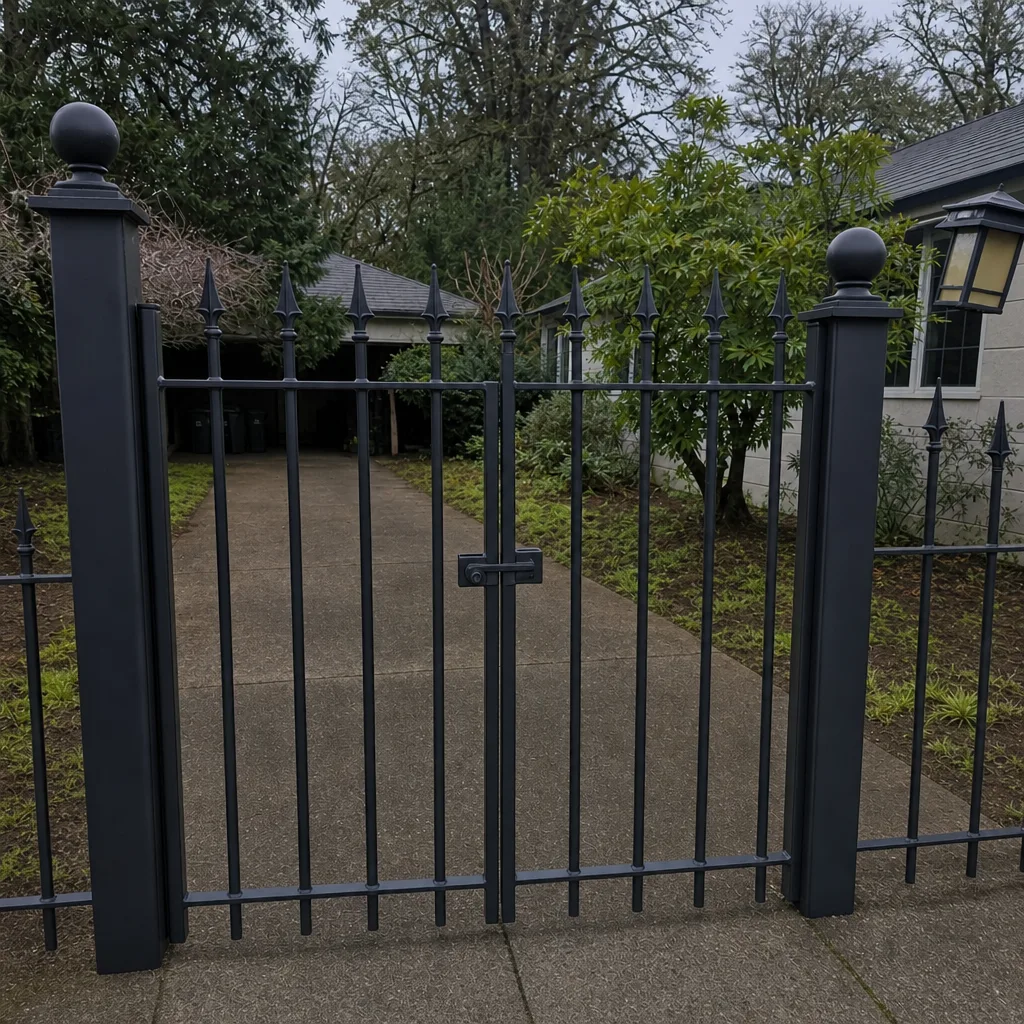
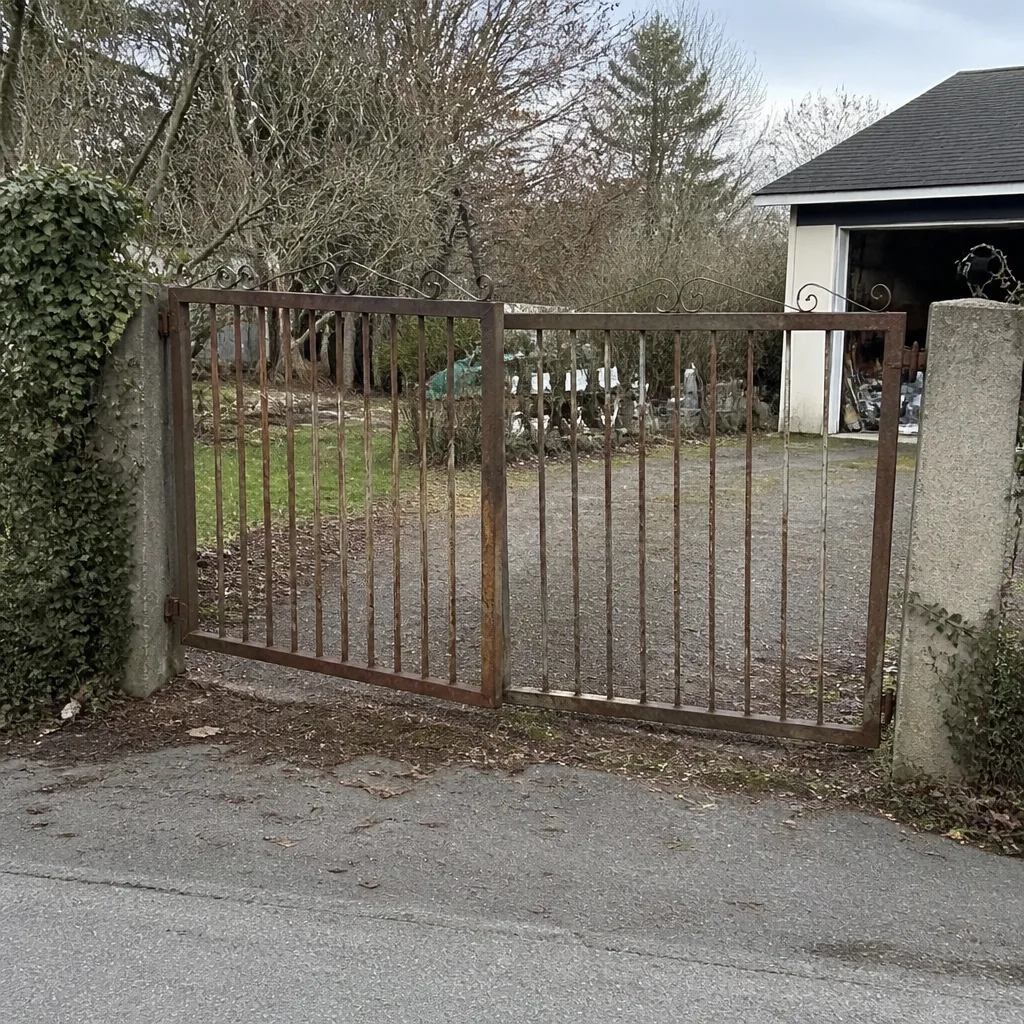
See the difference
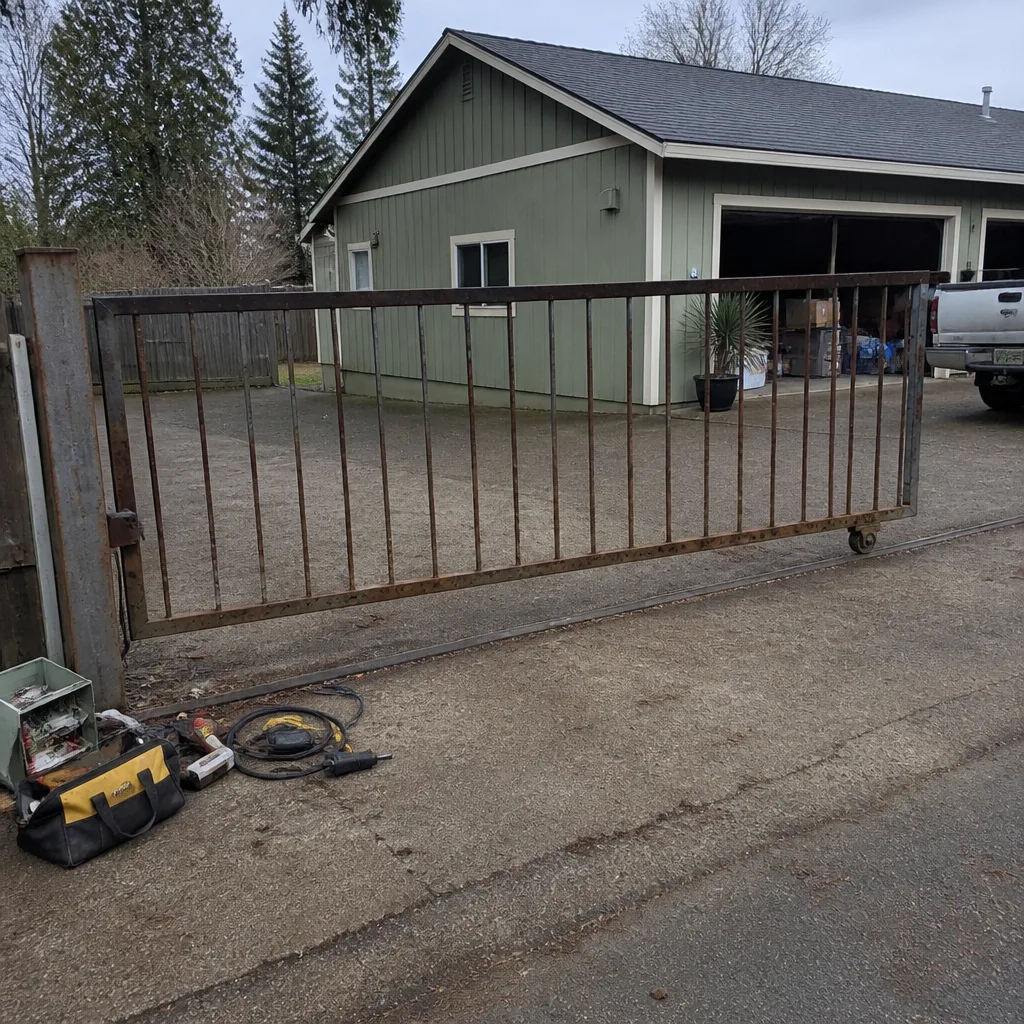 Before
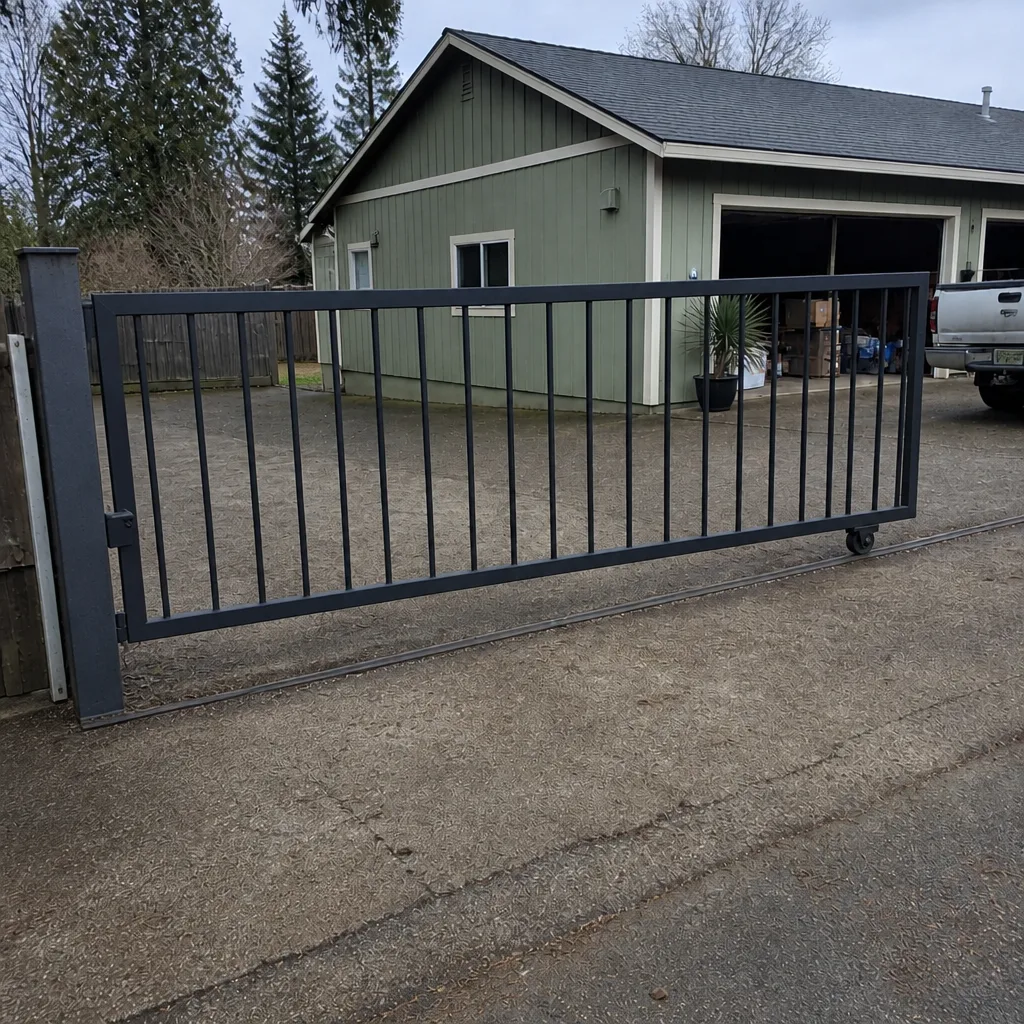 After
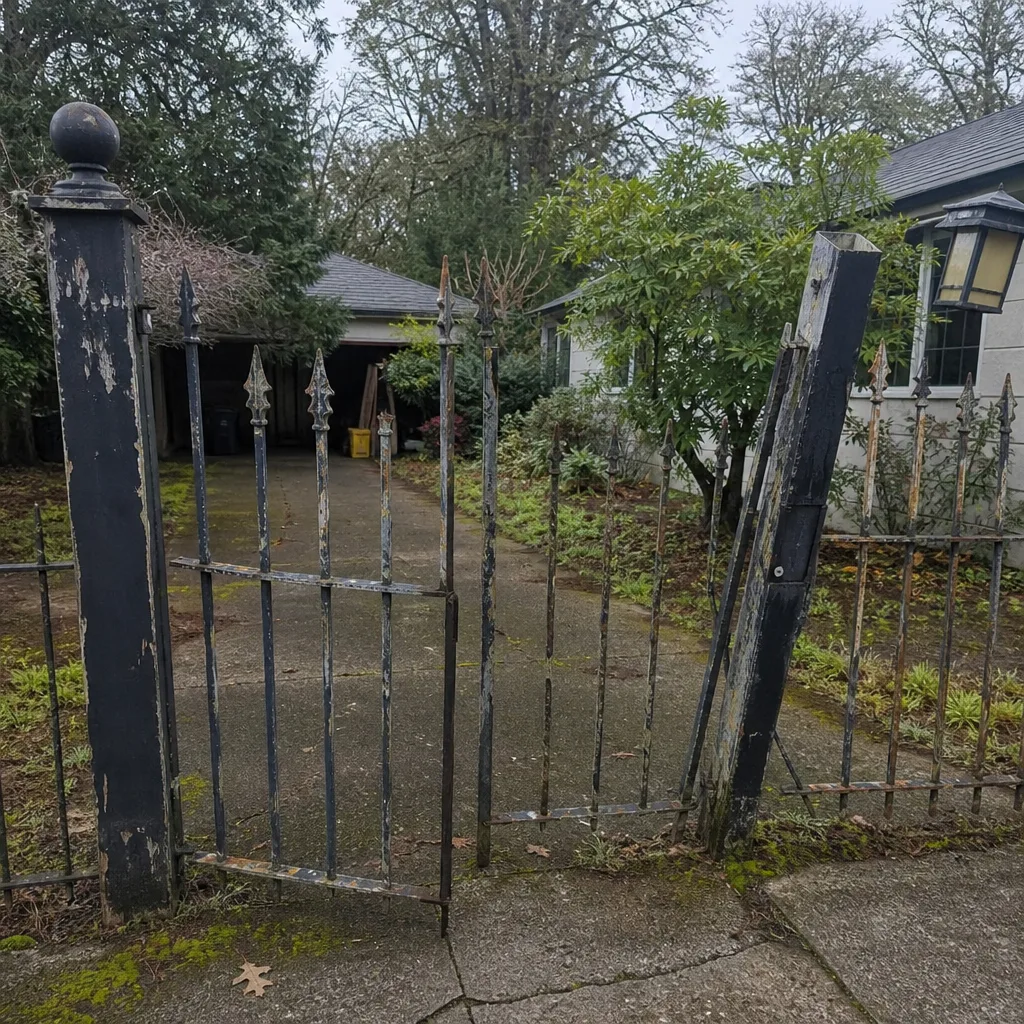 Before
 After
 Before
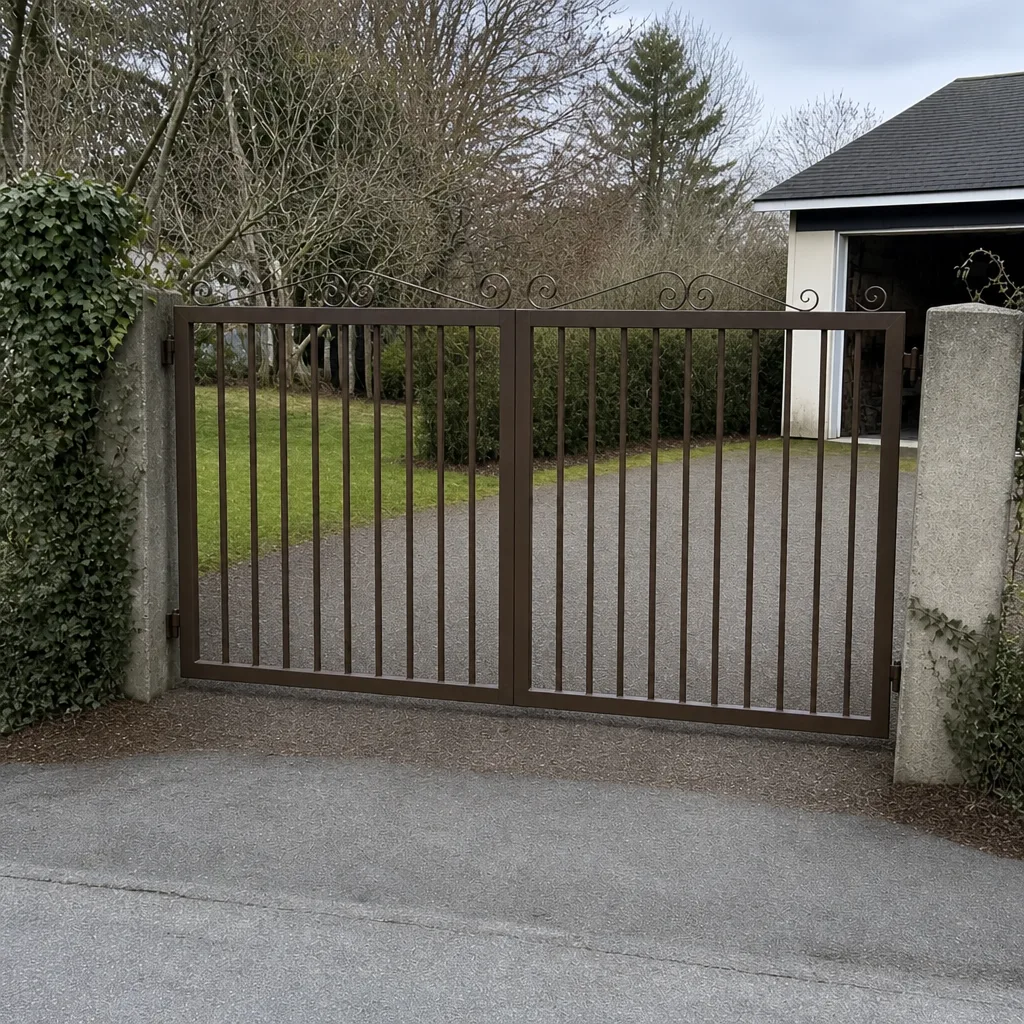 After
When to Call a Professional
Some gate jobs are clearly DIY territory: a squeaky hinge, a worn latch, a keypad battery. Others aren’t. Call a professional if the gate involves new electrical work, a new operator, or a post that’s settled or needs re-setting. Call if the gate has stopped working entirely and you don’t know whether the cause is mechanical or electrical, since a technician can sort that quickly. Call if you’re a property manager dealing with a commercial slide gate that’s come off its track or is showing uneven movement – these are heavy, and the safety risk is real. And call if you’re unsure which permits apply, because a wrong guess on a permitted job can mean re-doing work. Gate Repair Hillsdale offers free estimates in Hillsdale. Reach us at (833) 508-9956 and we’ll help you figure out the right next step, including whether a permit is in the picture.
Frequently Asked Questions
Usually no. Replacing a failed motor on existing posts and existing wiring is generally treated as a repair, not a permitted installation. If the replacement involves new electrical service to the post, then an electrical permit is likely required. Call (833) 508-9956 for an exact quote on the repair side – estimates are free.
Often yes, depending on what’s new. A new gate opening or new posts usually needs a building permit, and new electrical service to power the gate usually needs a separate electrical permit. A simple motor replacement on existing infrastructure typically falls outside both. Confirm the specifics with Washington County building services before scheduling work.
A licensed electrician files and manages the electrical permit, and we coordinate the gate mechanical work to align with their inspection schedule. We are gate specialists, not electricians; we don’t file electrical permits ourselves. That’s normal for this work and keeps the responsibility with the right trade.
It can. Many homeowner policies exclude coverage for incidents caused by unpermitted or non-compliant electrical work. If an automated gate is involved in property damage or injury and the electrical installation wasn’t permitted, the insurer may question coverage. Getting the electrical side permitted is a straightforward way to protect yourself.
It checks the circuit and panel connection, the conduit burial depth, the rough-in before anything is buried, and the proper function of safety edges and loop detectors. A final inspection confirms the finished system is safe and matches the permitted plans. A dedicated circuit for the operator is often part of what the inspector verifies.
No. HOA rules run alongside municipal code, not instead of it. Many Hillsdale neighborhoods have association rules about gate height, style, or material that apply on top of county permits. Get HOA approval first, then file the permit, so the design review doesn’t stall the project after the county has signed off.
We handle the gate repair itself, including mechanical work, operator service, and access-control setup across brands like Linear and Viking. Where the job crosses into new electrical service, that part goes to a licensed electrician. If you’re not sure which side you’re on, call (833) 508-9956 and we’ll help you sort it.
The Bottom Line
Oregon’s gate permit rules are narrower than most Hillsdale homeowners expect, but the trigger isn’t the gate itself; it’s the electrification or structural work. Routine repairs on existing infrastructure rarely need a permit. New power to a post, new posts, or a new gate opening usually do. Washington County handles the municipal side, and any HOA overlay runs on top of it, so call the association first and the county second. Unpermitted electrical work is the real risk, both for safety and for insurance later. When a job crosses from repair into permitted territory, know that clearly before work begins, and the project goes smoother. Our technicians have up to 13 years of experience with the brands you already have, and we’re glad to help you plan the gate side while the electrician handles the wiring.
If you’re facing a gate repair, a new install, or a question about where the permits apply, call (833) 508-9956 for a free estimate. We’re gate-only specialists, and we’ll give you a straight answer.
Written by the team at Gate Repair Hillsdale.