Last updated November 25, 2026
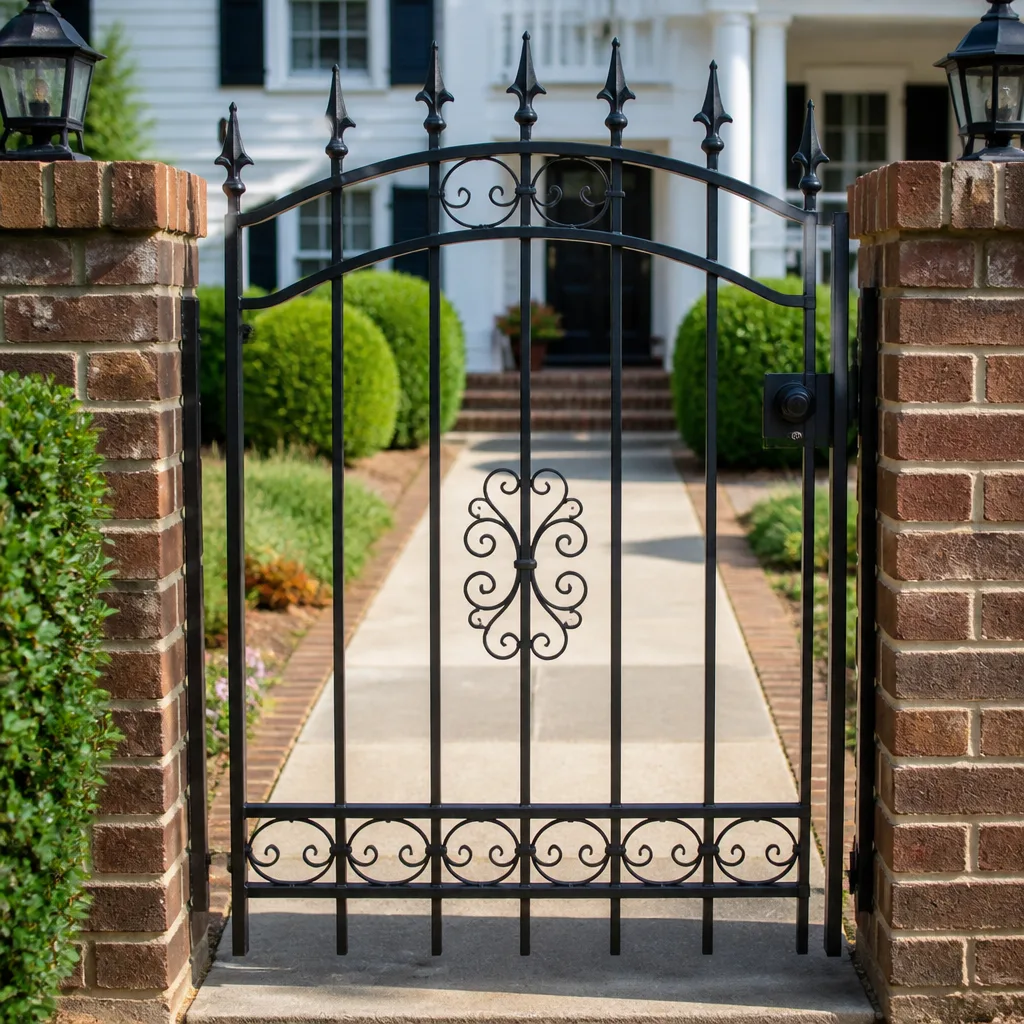 Wrought iron
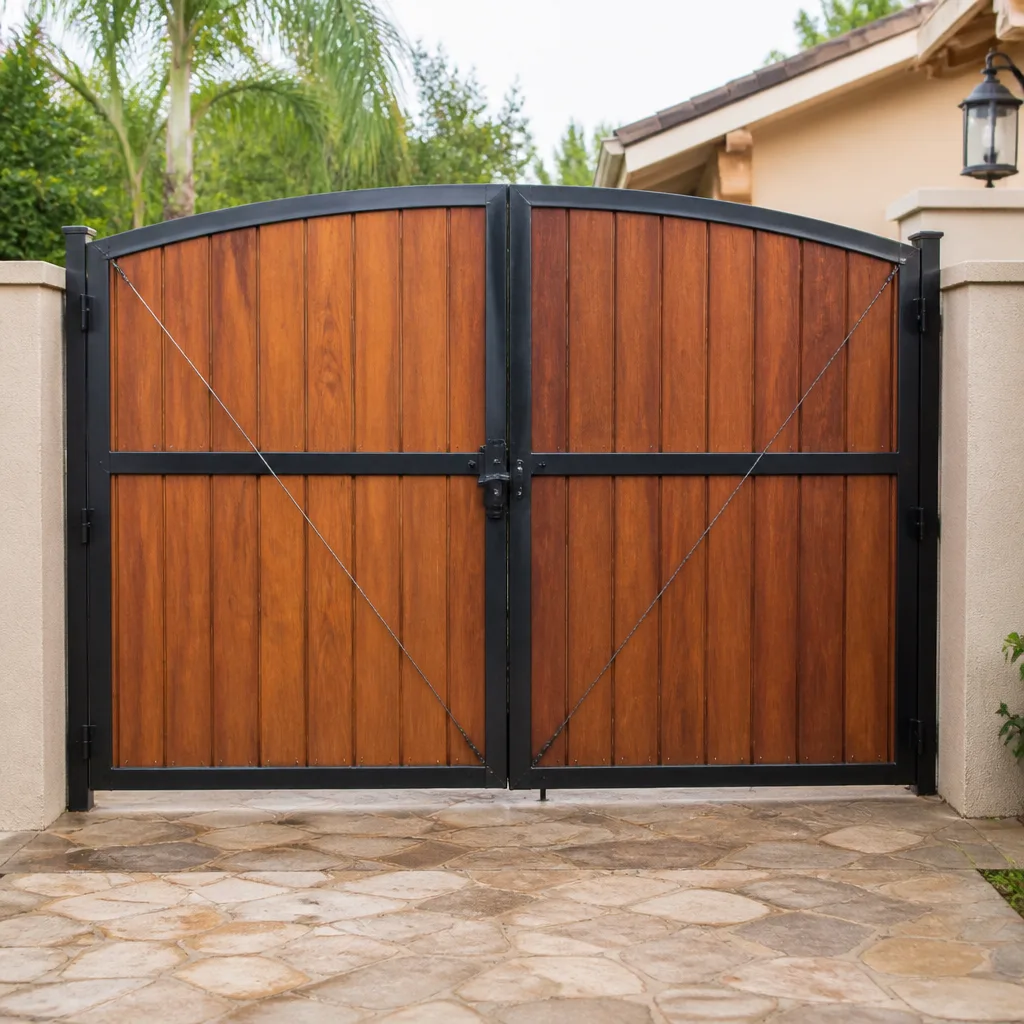 Wood & steel frame
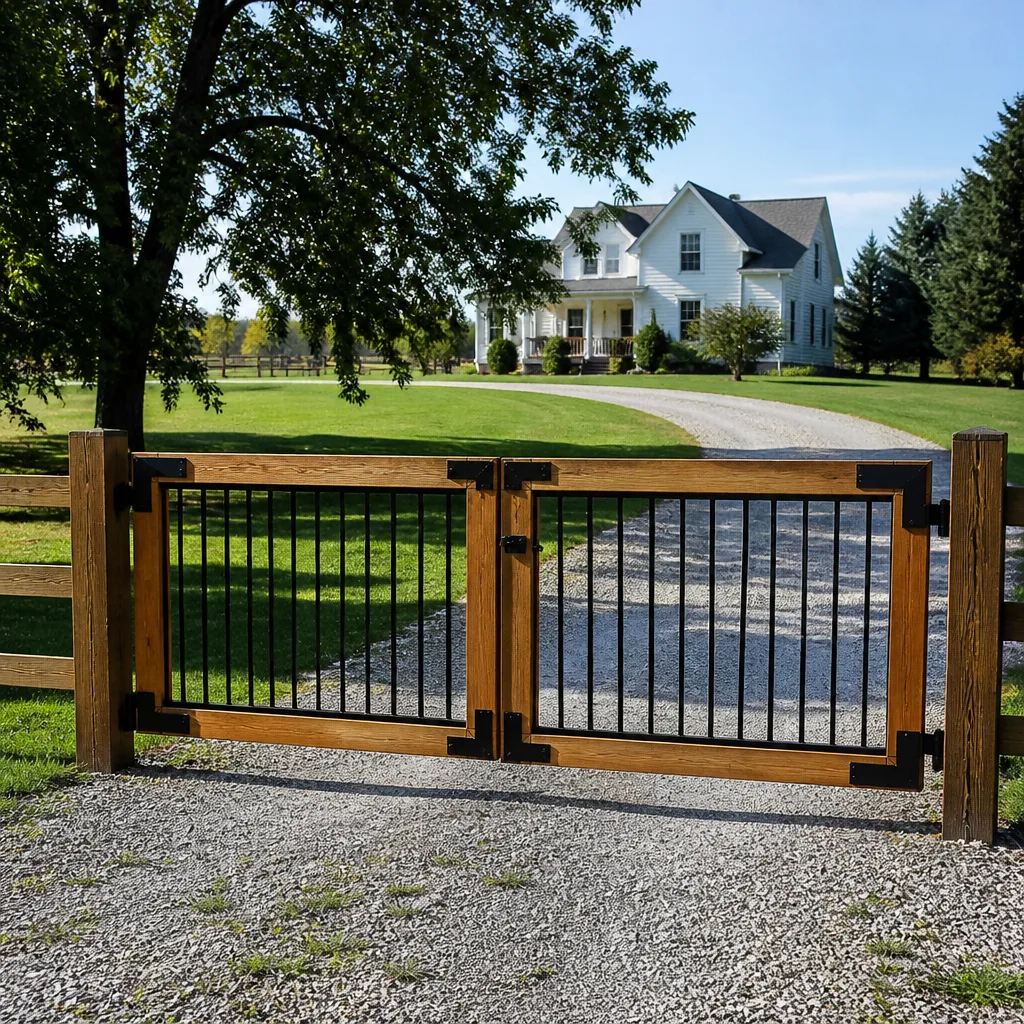 Farm & ranch
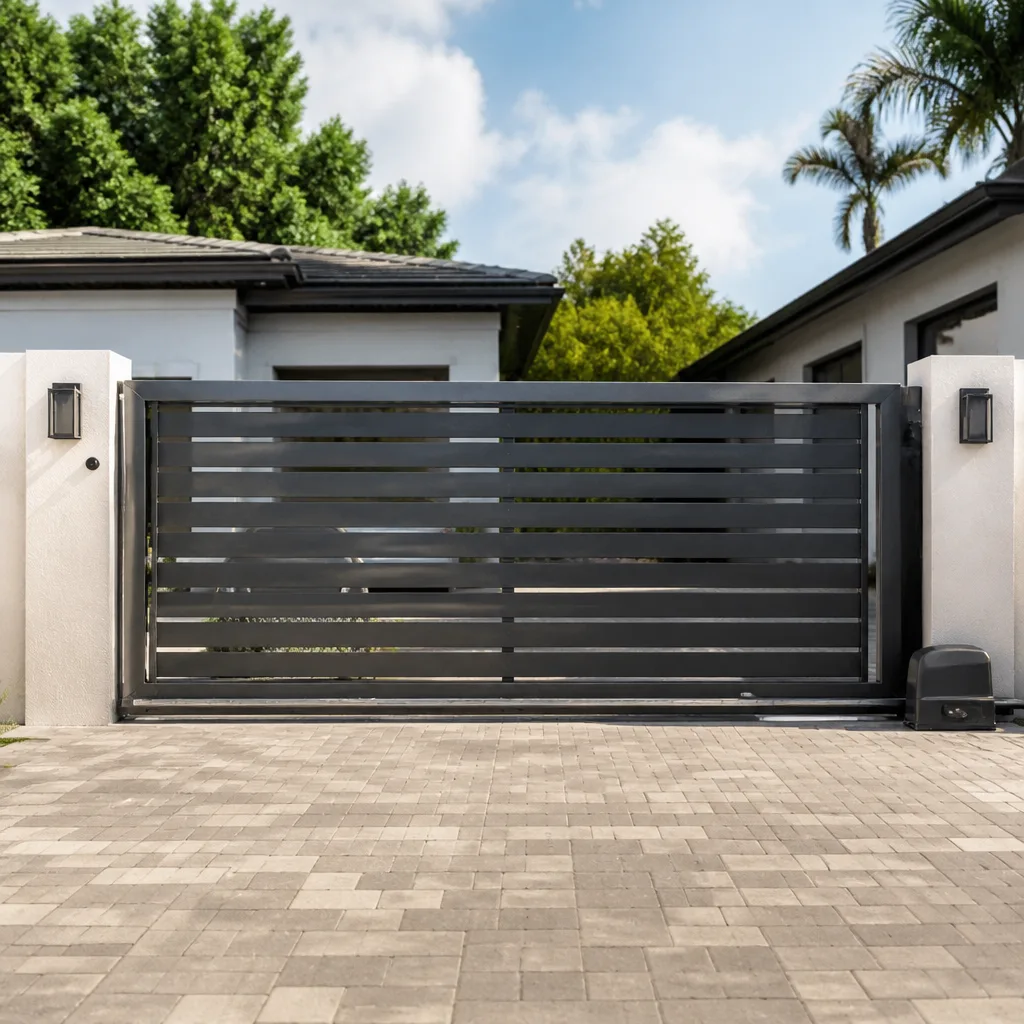 Sliding driveway gates
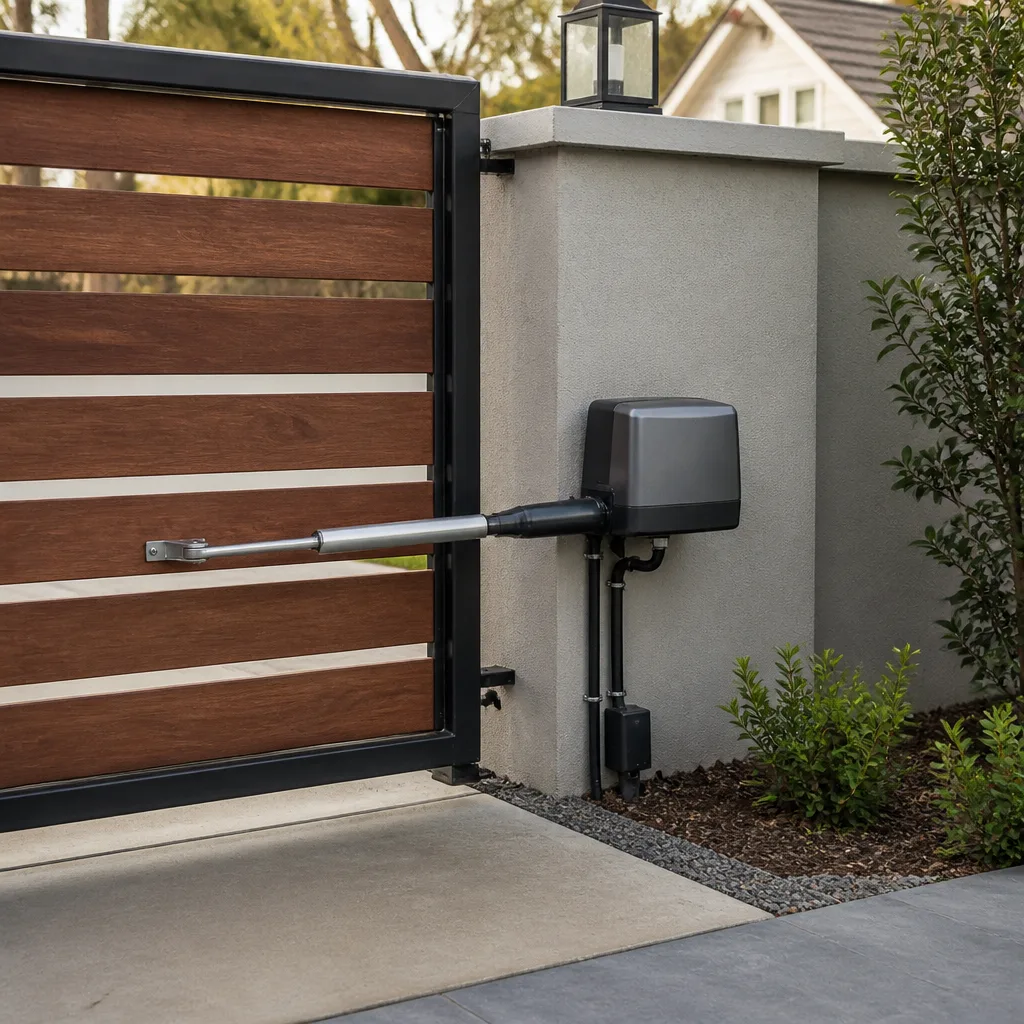 LiftMaster operators
Free on-site gate assessment - hinges, posts, and your LiftMaster or Nice gate operator checked before anything is quoted
The assessment is free and the quote is the invoice.
Get your free estimateThe Complete Guide to Gate Repair in Hillsdale
A gate that sags two inches off the ground isn’t a hardware problem. It’s usually a post problem, and replacing the hinges without addressing the post means you’ll be back in the same spot within 18 months. Most of the gate calls we handle around Hillsdale come down to three root causes: foundation shift, moisture intrusion, and mismatched components. Once you know which one you’re dealing with, everything else falls into place – cost, repair method, and whether a fix will actually hold. This guide walks through the full diagnostic-to-repair path for every gate type you’ll find in Hillsdale, from a manual swing gate on a rural driveway to a high-cycle commercial slide gate.
Quick Answer
Gate repair in Hillsdale starts with identifying whether the problem is structural (posts, footings, framing), mechanical (hinges, rollers, latches, track), or electrical (operator, wiring, access control). A sagging or dragging gate almost always points to post movement from seasonal soil heave, not failed hardware. Most repairs are priced per job after an on-site look, and our technicians have up to 13 years of experience diagnosing exactly this kind of failure.
Styles & brands we work with
- Wrought iron
- Wood & steel frame
- Farm & ranch
- Sliding driveway gates
- LiftMaster operators
Table of Contents
- The Three Root Causes of Gate Failure in Hillsdale
- How Oregon’s Wet-Dry Seasonal Swing Affects Gate Geometry
- Adjustment Versus Structural Repair: Knowing the Difference
- Component Compatibility on Electric Gate Systems
- Repair or Replace: A Framework for Wood, Iron, Aluminum, and Vinyl
- Gate Types You’ll Find Around Hillsdale
- What “Full-Service Gate Specialist” Actually Means
- How a Diagnostic Visit Works
The Three Root Causes of Gate Failure in Hillsdale
When a gate stops working properly, the symptom on the surface rarely matches the cause underneath. A gate that won’t latch, a motor that strains, a panel that drags on the driveway – each one usually traces back to one of three things.
Foundation shift. Gate posts sit in soil, and soil moves. In Hillsdale that movement is pronounced because the ground cycles between saturated and dry across the year. A post that shifts half an inch out of plumb throws the whole gate out of alignment, and no amount of hinge adjustment will fix it.
Moisture intrusion. Wood gates swell and rot. Steel gates rust at the welds and at the base. Aluminum gates handle water better but their hinges and fasteners don’t, and once water gets into an operator housing or a keypad enclosure, electrical faults follow.
Mismatched components. Someone replaces an opener but leaves a limit switch from an older system. Or a gate is reinforced with hardware from a different maker than the operator. These mismatches cause failures that look electrical but are really compatibility problems.
Getting the diagnosis right is the whole game. If you treat a post problem as a hardware problem, you spend money twice. If you treat a compatibility problem as a dead motor, you buy an operator you didn’t need.
How Oregon’s Wet-Dry Seasonal Swing Affects Gate Geometry
Hillsdale sits in the Willamette Valley, where winters are wet and summers are dry. That cycle does more to gate geometry than most property owners realize.
During the wet months, soil around a gate post absorbs water and expands. During the dry months, it contracts and pulls away from the post. Repeat that cycle season after season and a post that was set perfectly true can end up leaning a degree or two. On a wide swing gate, a one-degree lean at the post translates to several inches of drop at the free end. That’s why a gate can look fine one spring and drag the next.
Slide gates are less sensitive to post heave on the swinging side but more sensitive to ground movement under the track or the cantilever footing. A track that settles a quarter inch causes the carriage to bind, which puts strain on the operator and shortens its life.
What this means practically:
- If your gate has started dragging or misaligning, suspect the footing before the hardware.
- Posts set in proper footing depth resist seasonal movement far better than shallow sets.
- After a wet winter, a gate that worked fine last fall may need a planing, re-hang, or footing correction rather than a new latch.
- Slide gate tracks and cantilever footings should be checked in spring when the ground is still soft.
We’ve seen this pattern repeatedly across Hillsdale properties. The homeowners who end up spending the least are the ones who treat seasonal movement as a structural question from the start rather than chasing hardware fixes.
Adjustment Versus Structural Repair: Knowing the Difference
Here’s where a lot of money gets wasted. A gate needs either an adjustment or a structural repair, and confusing the two leads to repeat visits.
An adjustment is the right call when the gate’s mounting points are sound and the gate has simply drifted out of alignment. Hinges have backed off, the latch has shifted, a roller has worn, or the operator’s limits have drifted. These are quick fixes, and they hold because the underlying structure is still true.
A structural repair is needed when the post, footing, frame, or track has moved or failed. Signs include:
- The post leans noticeably or is loose in the ground.
- The gate drags at one end regardless of hinge adjustment.
- The frame is warped, cracked, or separating at the joints.
- The track has settled or lifted away from the ground.
- A repaired hinge fails again within a few months.
If you’re seeing two or more of those signs, an adjustment will be temporary. The gate needs the structure addressed – post resetting, footing correction, frame reinforcement, or track realignment – before anything else will stay put.
The quickest way to tell which one you’re dealing with is to look at the gate’s low corner. If a hinge looks worn but the post is true, you’re probably in adjustment territory. If the low corner sits lower than the gate’s high corner by more than a small fraction, the post has almost certainly moved. That’s when it’s worth having a specialist look at it before more money goes into hardware.
Component Compatibility on Electric Gate Systems
Electric gate failures are often misdiagnosed as motor problems when they’re actually compatibility problems. This is common on gates that have been serviced by more than one company over the years, or where a homeowner has replaced a single part themselves.
An automated gate system is a chain of components that all have to agree with each other: the operator (motor and control board), the safety edges, the access control (keypad, remote receiver, intercom, loop detector), the power supply, and the mechanical linkage. Each one has its own voltage, signal, and protocol expectations. Mix a control board from one maker with a safety edge from another, and you get faults that look like a dead motor but aren’t.
Some of the mismatches we diagnose most often on Hillsdale properties:
- A Mighty Mule operator paired with a LiftMaster-compatible receiver that sends a signal the board can’t read cleanly.
- Safety edges wired to a control board that expects a different resistance range, causing intermittent stops.
- Loop detectors from a different system than the operator, creating phantom open signals.
- Keypads wired to the wrong voltage tap, which works for a while and then fails.
- Battery backup systems sized for a smaller operator, which drop out under load.
The fix isn’t always to replace the mismatched part. Often it’s to install an interface module or rewire the connection so the components agree. That’s the kind of thing our gate motor & opener work focuses on: diagnosing the actual failure point instead of swapping parts until something works.
We work on the brand you already have, whether that’s LiftMaster, FAAC, BFT, or another system entirely. Compatibility, not brand loyalty, drives our recommendations.
Repair or Replace: A Framework for Wood, Iron, Aluminum, and Vinyl
Whether to repair or replace a gate depends on the material, the extent of the damage, and how the gate is used. Here’s how we think about each type around Hillsdale.
Wood gates
Wood is the most repairable material but the most moisture-sensitive. A wood gate with a sound frame and one or two rotted pickets is a repair. A wood gate with rot at the frame joints, especially at the bottom rail, usually needs replacement of the affected section or the whole gate. Post rot is the deciding factor – if the post is soft below grade, no amount of gate repair will hold.
Iron and steel gates
Iron gates are heavy and last a long time, but they rust at welds and around fasteners. Surface rust is cosmetic. Deep rust at a structural weld or at the hinge points is a structural issue, and a weld repair is usually cheaper than a new gate. If the frame has cracked or the gate has been struck hard enough to bend the frame out of true, replacement is often the better call. Weight matters too – a heavy iron gate demands a stronger operator and heavier hinges, and if either is undersized, the gate will keep failing.
Aluminum gates
Aluminum resists rust but bends more easily and its fasteners can loosen over time. A bent aluminum frame is often repairable if the bend is mild, but a badly bent or cracked aluminum gate is usually replaced. Hinge and roller wear is the most common repair, and the operators that drive aluminum gates are usually lighter duty.
Vinyl gates
Vinyl gates are durable against moisture but become brittle with age and can crack at stress points. A cracked vinyl panel or frame section can be replaced, but matching the profile and color of older vinyl is sometimes difficult. When a vinyl gate’s frame is compromised, replacement is usually cleaner than a patch. Vinyl gates are also lighter, which means the operator can be sized smaller and the hinges wear more slowly.
As a rule: if the gate’s frame is structurally sound and only the hardware or a few panels need work, repair. If the frame, footing, or track has failed, replacement of that component is usually the cheaper long-term option. We’ll tell you which side of that line your gate is on, and we’ll price the repair per job after an on-site look so you’re not guessing.
Gate Types You’ll Find Around Hillsdale
Hillsdale sits in a mix of rural properties, newer residential subdivisions, and small commercial parcels, and the gate types we see reflect that spread.
- Manual swing gates on rural driveways. Often heavy, often wood or tube steel, and often the gate the property owner wants to keep.
- Automated residential swing gates on newer properties, usually paired with a LiftMaster, FAAC, or BFT operator.
- Slide gates on both residential and commercial driveways, especially where a swing gate would need too much clearance.
- Commercial high-cycle slide gates at small business and multi-unit entrances, often with loop detectors and intercoms.
- Access-controlled entries where the gate and the keypad or intercom are part of one entry system.
Each type fails in its own way. Manual swing gates fail at the hinges and at the latch. Automated swing gates fail at the operator, the limits, or the safety edges. Slide gates fail at the track and the carriage. Commercial gates fail at the operator, the loop detector, and the wiring. Getting the type right narrows the diagnosis immediately.
What “Full-Service Gate Specialist” Actually Means
A lot of companies will tell you they fix gates. What that usually means is that they fix the part of the gate that doesn’t require knowing much about gates – hinges, latches, maybe a new panel. The rest of the gate, especially the electric side, gets referred elsewhere or handled by trial and error.
A full-service gate specialist works on the whole system. That means the mechanical side (frame, posts, hinges, rollers, latches, tracks) and the electrical side (operator, wiring, safety edges, keypads, intercoms, loop detectors) are handled by the same people who diagnosed the problem. You don’t need a second contractor to finish the job.
That distinction matters most on electric gates, where the mechanical and electrical sides fail into each other. A gate that binds (mechanical) will overload the operator (electrical). A keypad with a bad connection (electrical) can make it look like the operator has failed (mechanical). A single specialist who reads both sides saves you from the back-and-forth.
We’re gate-only specialists, not a fence or garage door company that handles gates on the side. That focus is why our technicians have up to 13 years of experience on gates specifically. It means we’ve seen how the same problems repeat across brands, gate types, and property types, and we can often recognize the failure before we arrive. For gate repair, that’s the difference between a fix and a return visit.
It also means we cover the full service spectrum. If your gate needs repair, we repair it. If it needs a new operator or a new access control panel, we install and program it. If the gate itself needs to come down and go up new, we handle gate installation too. You don’t get handed off to a different contractor mid-project.
How a Diagnostic Visit Works
If you’ve called a gate specialist for the first time, here’s what a diagnostic visit typically looks like. Understanding the sequence helps you know what to expect and what questions to ask.
- Walk the gate. We look at the gate in motion before touching anything – how it swings or slides, where it rubs, where it stops short, how the operator behaves under load.
- Check the structure. Posts, footings, frame, and track get checked for plumb, movement, and signs of settling.
- Inspect the mechanical components. Hinges, rollers, latches, and linkage get checked for wear, looseness, and alignment.
- Trace the electrical side. Operator, wiring, safety edges, keypad, and any loop detectors get checked for voltage, continuity, and correct configuration.
- Test the safety systems. Safety edges and obstruction detection get tested against standard behavior to confirm the gate stops and reverses correctly.
- Write up the findings. You get a clear explanation of what’s wrong, which repairs are necessary now, and which can wait. We price the job in writing, and you approve the price before any work starts. Nothing gets done on a verbal “let’s see how it goes.”
The visit itself is a useful place to ask questions. If a previous company told you the operator needs replacing, ask what the diagnostic found. If the gate’s low corner has been dropping for years, ask about the footing. The better the diagnostic, the less you spend on parts you didn’t need.
Common Mistakes to Avoid
- Replacing hardware when the post has moved. New hinges on a leaning post will fail again within a season. Fix the post and the hardware will hold.
- Buying a new operator before checking the mechanical side. A binding gate overloads any operator. If the gate drags or the track is off, replacing the motor won’t fix it.
- Mixing brands on one electric system. A control board, safety edge, and keypad from three different makers can create faults that look like a dead motor. Match components or use a compatible interface.
- Assuming a gate that worked last October will work in April. In Hillsdale, the wet-dry swing moves posts more than most owners expect. A spring check catches problems early.
- Ignoring the safety edges. A gate that doesn’t reverse when it meets an obstruction is a hazard, especially around pets and children. Test the safety edge every few months.
- Letting a wood gate rot below the hinges. Rot at the bottom rail spreads into the frame. Catch it early and the repair stays small.
- Calling a general fence company for an electric gate fault. If the failure is electrical or involves access control, a fence contractor will often refer you out anyway. Start with a gate specialist.
See the difference
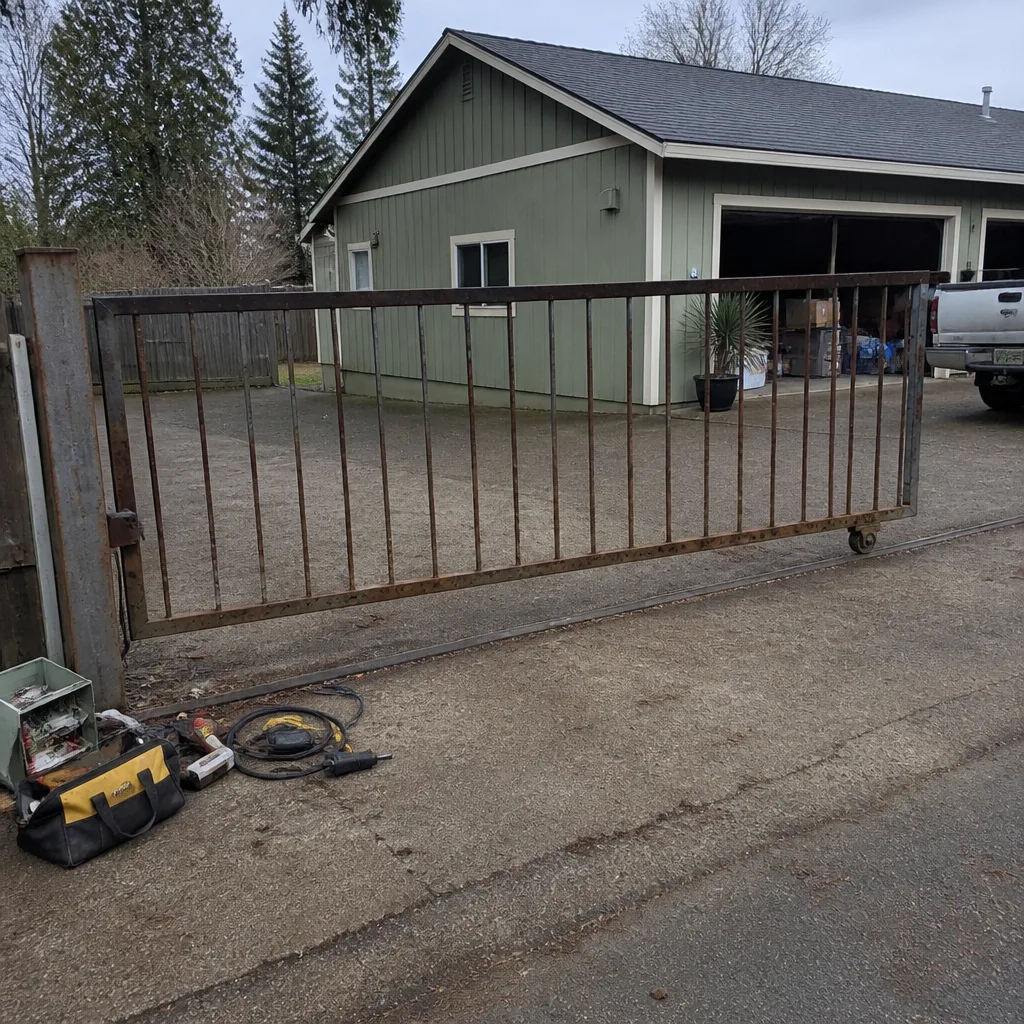 Before
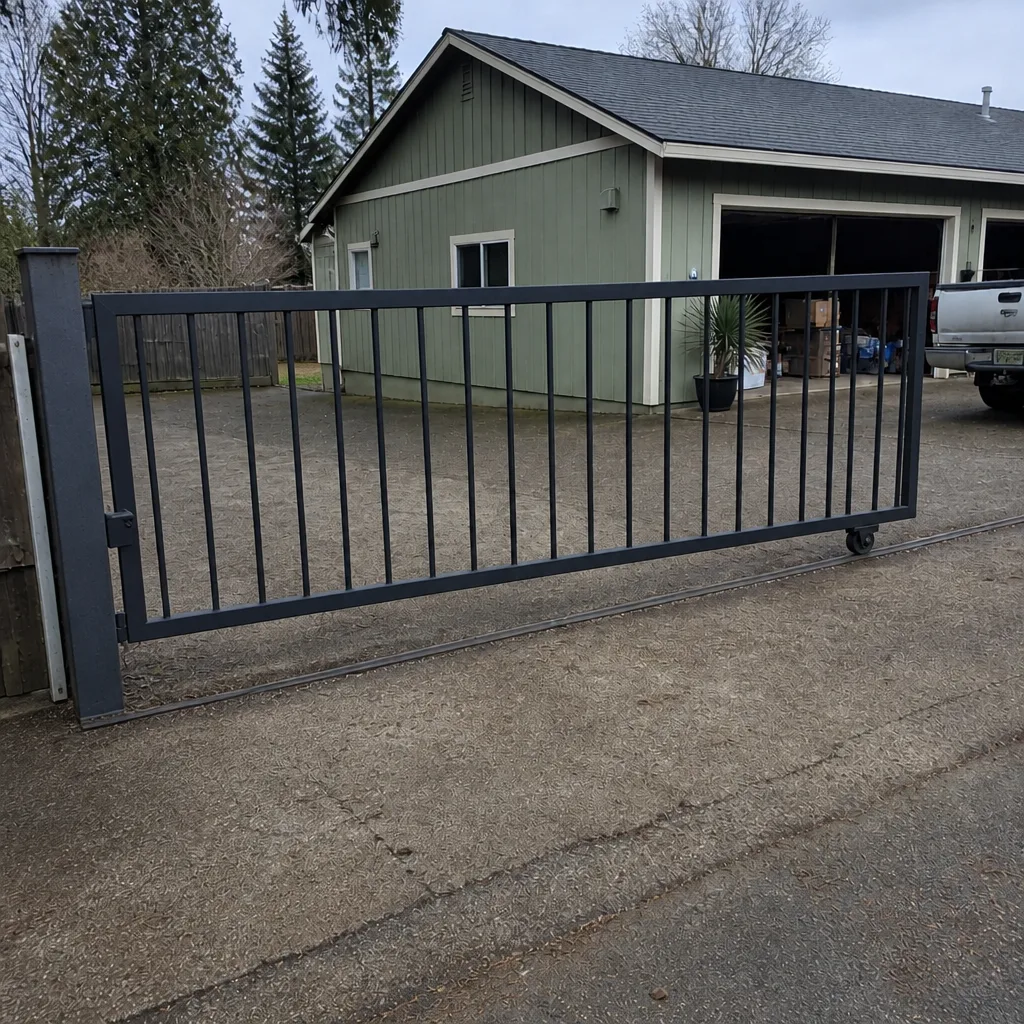 After
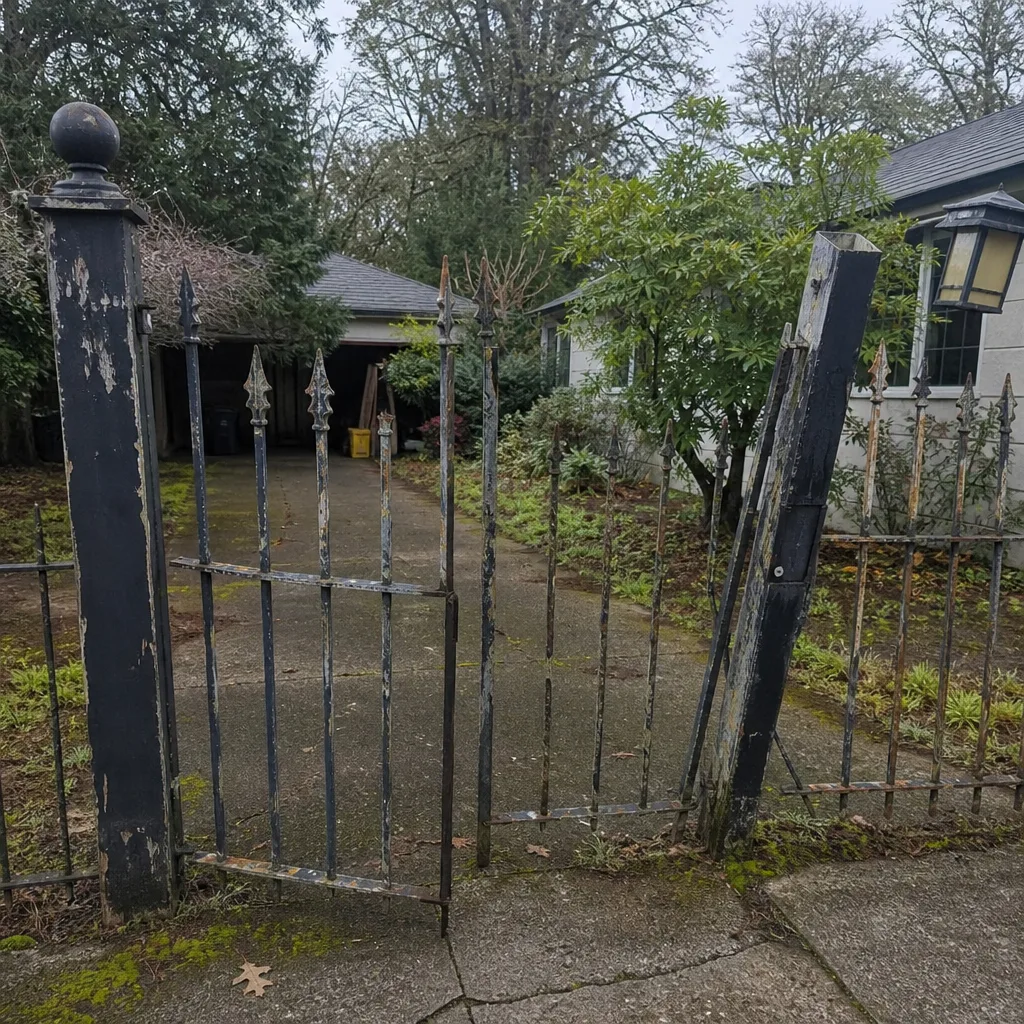 Before
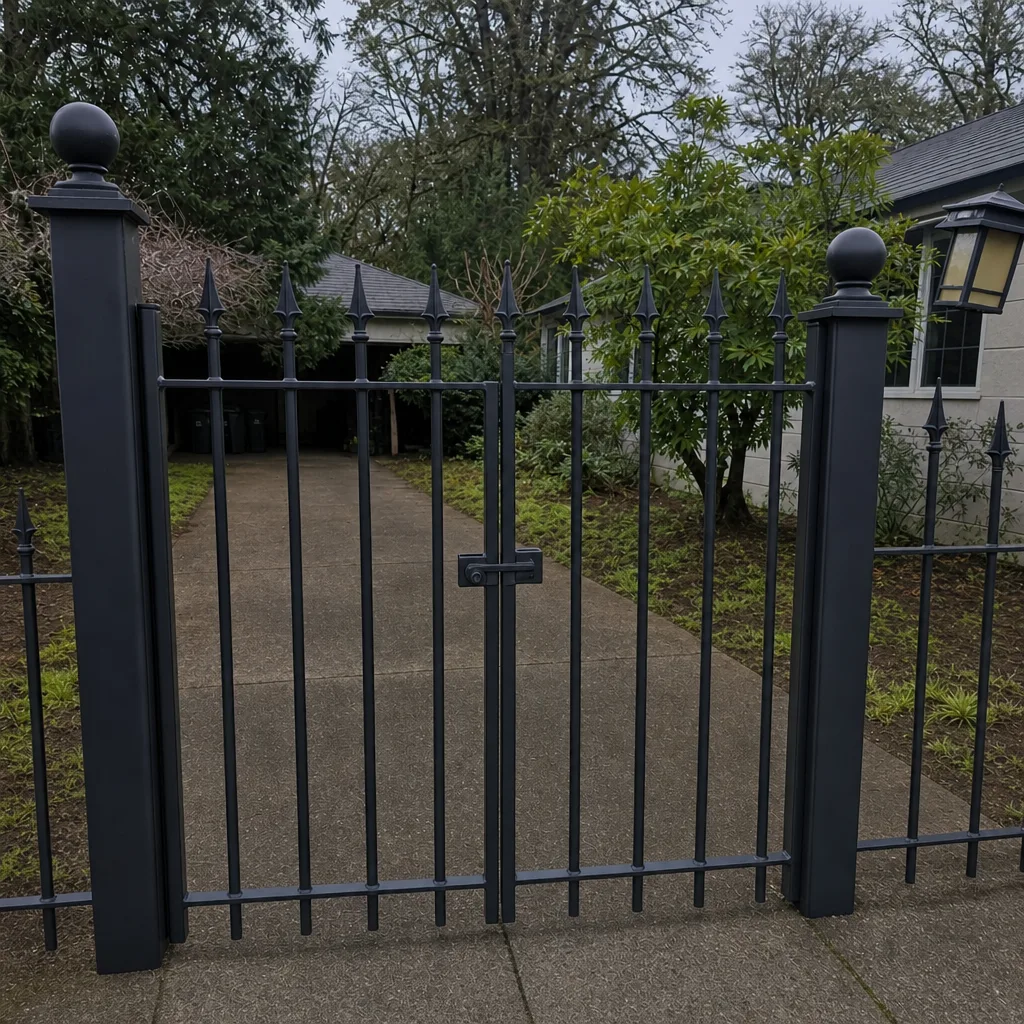 After
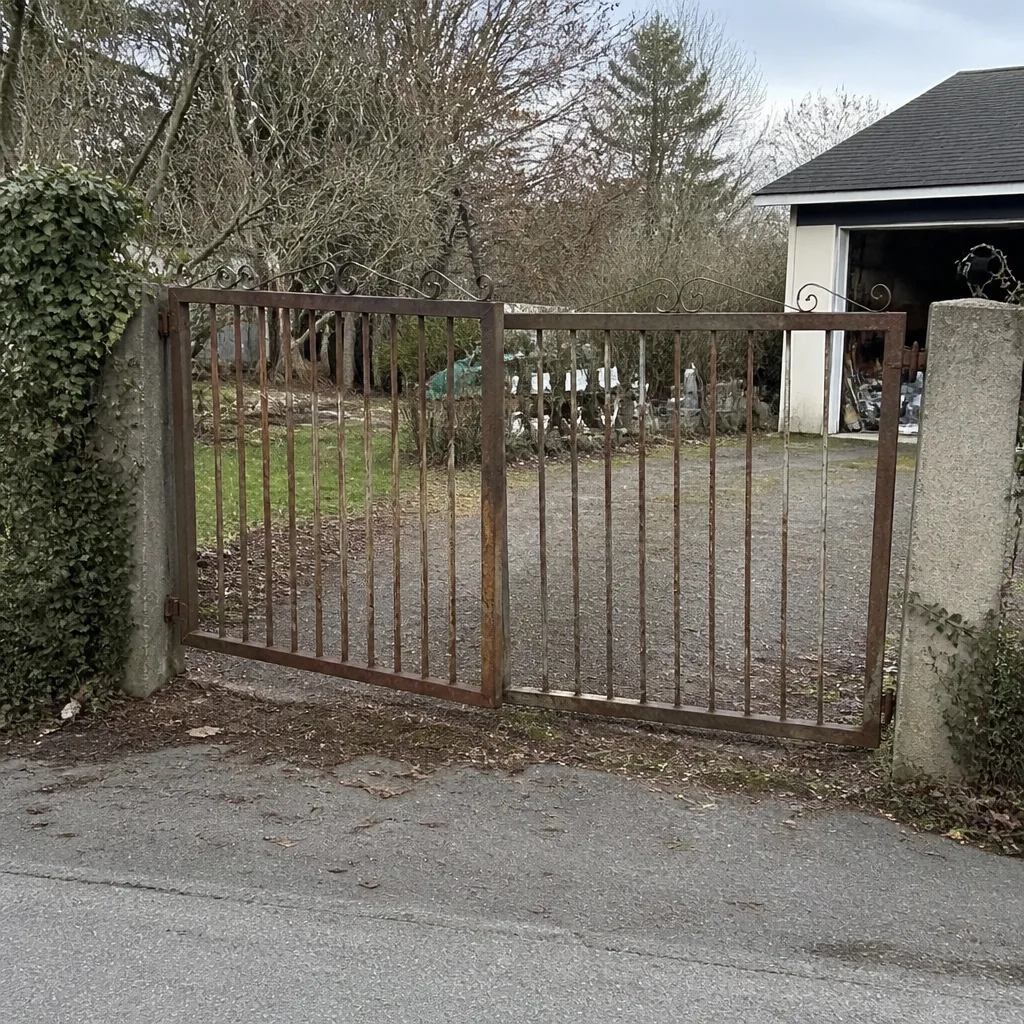 Before
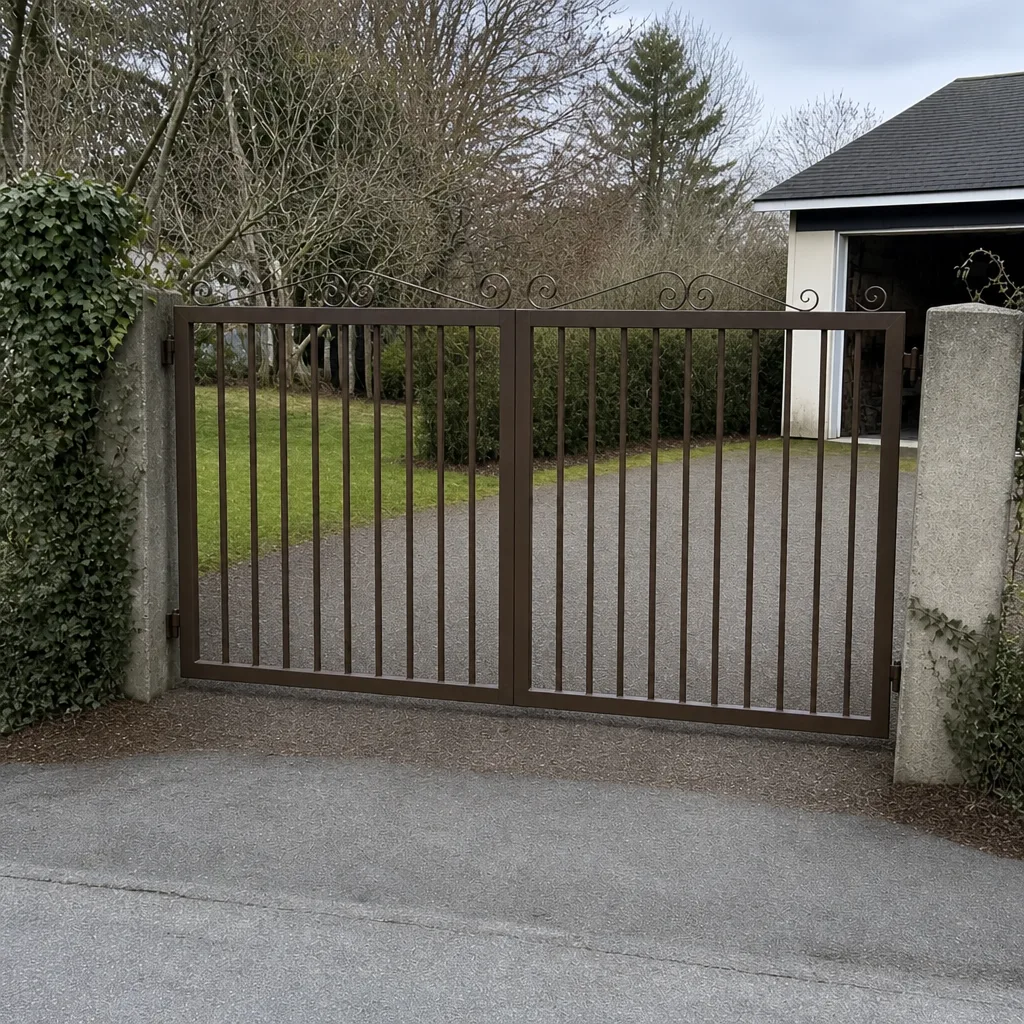 After
When to Call a Professional
Some gate fixes are genuinely do-it-yourself territory – a latch that needs a quarter turn, a hinge bolt that’s backed out. The rest isn’t. Call a professional when the gate’s post or footing has moved, when the operator behaves erratically, when a safety edge fails to reverse, when a keypad or intercom stops working, or when a repair you made last season has already failed again. Electric gate operators and access control systems carry line voltage and their own control logic, and getting either wrong creates a real hazard. If your gate is heavy, automated, or shared with a commercial property, don’t chase the fault yourself – the diagnosis is usually not where the symptom is. Gate Repair Hillsdale offers free estimates in Hillsdale – call (833) 508-9956 and we’ll schedule an on-site visit.
Frequently Asked Questions
Gate repair in Hillsdale is priced per job after an on-site estimate, so the cost depends on whether the problem is structural, mechanical, or electrical. A simple adjustment is at the low end; a post correction or operator replacement is higher. We price the job in writing before any work starts, and the written estimate is the price you pay. Call (833) 508-9956 for an exact quote – estimates are free.
A gate that starts dragging has almost always had its post or footing move, not its hinges wear out. In Hillsdale, the wet-dry seasonal swing pushes posts out of plumb over time, and the drag is the symptom. Adjusting the hinges may hold briefly, but the post needs to be checked before any hardware gets replaced.
Yes. We work on the brand you already have, whether it’s a LiftMaster, FAAC, BFT, Mighty Mule, or another system. Our focus is diagnosing the actual failure point – sometimes that’s the operator, and sometimes it’s a mismatched component or a mechanical bind that’s overloading the operator. We’ll tell you which one it is before you spend money.
An electric gate that stops halfway is usually hitting a safety edge signal, a limit switch error, or a mechanical bind, not a dead motor. Safety edge faults and misconfigured limits are the most common causes. A diagnostic visit traces the signal path and confirms whether the fault is electrical or mechanical before any part is replaced.
Permit requirements vary by property and by scope, and we don’t make code claims for your specific site. If your project involves structural changes, new electrical work, or a new gate on a commercial property, ask the city about permits before work begins. We’ll handle the repair itself and tell you what we see.
A gate repair lasts when the underlying cause is addressed. A hinge adjustment on a sound post can hold for years. A hinge replacement on a leaning post will fail again quickly. If the post or footing is corrected and the gate is realigned, a well-made gate can stay in service for a long time with basic inspection.
The Bottom Line
Most gate problems in Hillsdale come down to foundation shift, moisture intrusion, or mismatched components. Get the diagnosis right and the repair holds; get it wrong and you’ll pay twice. Structural issues need structural fixes before hardware, and electric gate faults are often compatibility or mechanical problems in disguise. Whether you’re dealing with a sagging swing gate, a slide gate that binds, or an operator that keeps stopping, start with the structure and work outward. If you’d rather have a specialist look at it, our technicians have up to 13 years of experience and we price every job in writing before work begins. Call (833) 508-9956 for a free estimate and we’ll get your gate back in service.
Written by the team at Gate Repair Hillsdale.